Zero Waste Kitchen: What’s Actually Worked for Me (and What Hasn’t)
A zero waste kitchen isn’t about perfection, and it doesn’t require throwing everything out and starting again. It’s about understanding where waste comes from and making small, realistic changes that reduce it over time.
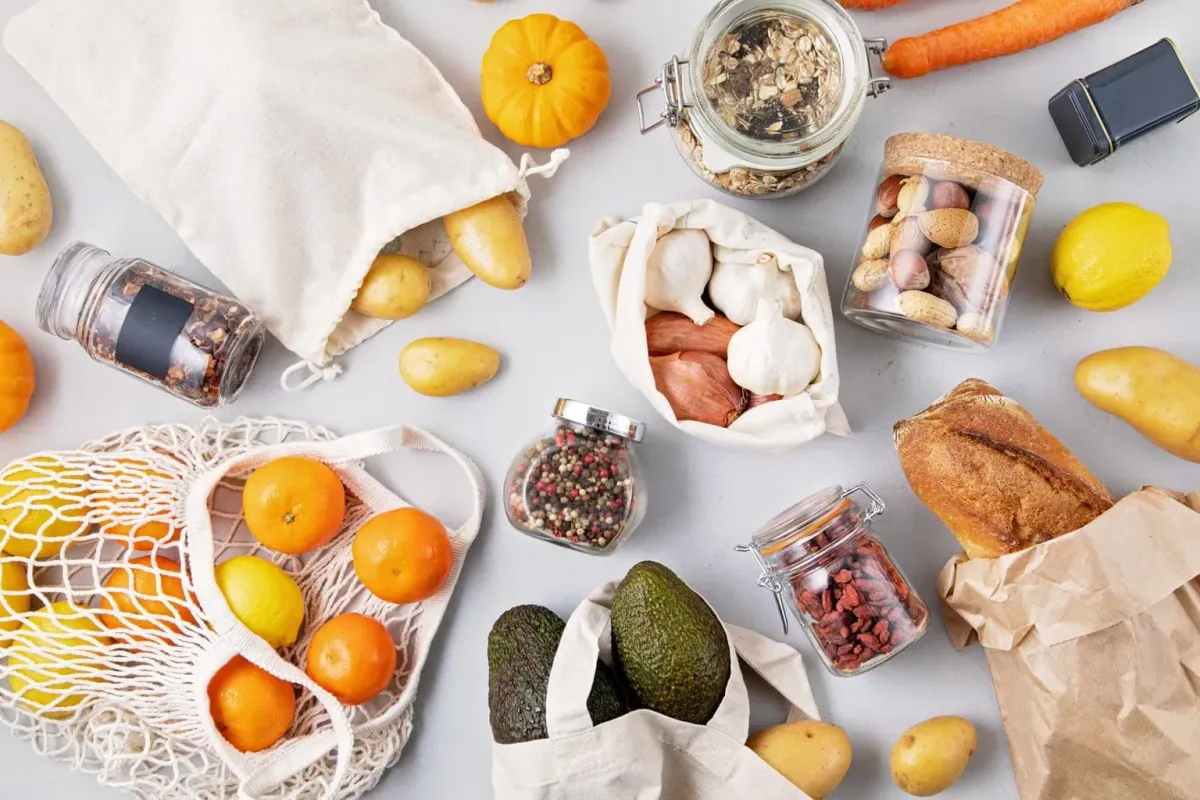
When I first started thinking about zero waste, the kitchen felt like the obvious place to begin — and also the most overwhelming.
I started living solo this year and cooking for one was...different?
So much rubbish comes from food. Packaging, leftovers, cleaning products, takeaway containers… it adds up quickly. I remember opening the bin one day and thinking, how is this already full again? I hadn’t even cooked anything unusual and to be honest...taking the bins out is one job I don't get excited about.
What I’ve learned since is that a zero waste kitchen isn’t about doing everything “right”. It’s about noticing habits, trying small changes, and being honest about what you’ll actually stick with.
This isn’t a list of rules. It’s what’s worked for me, what I’ve struggled with, and what I’d recommend if you’re trying to reduce waste in your own kitchen without making life harder.
The Kitchen Is Where I Noticed My Waste the Most
I didn’t start with a plan. I started by paying attention.
For a week or so, I noticed what I was throwing away. Not in a spreadsheet - just mentally. Food packaging showed up again and again. So did food scraps I hadn’t used in time. And there were a lot of things I threw away without thinking, just because that’s how I’d always done it.
That was an important moment for me, because it showed me where my effort would actually matter. Not everywhere. Just a few places.
If you’re starting out, I’d really recommend doing this first. You don’t need to fix anything yet. Just notice what fills your bin fastest. That alone gives you a direction.
Using What I Already Had Made the Biggest Difference
One mistake I almost made early on was replacing everything in my kitchen with “better” versions.
Reusable this. Eco-friendly that. It’s very tempting.
But I quickly realised that throwing away things I already owned just to feel more sustainable didn’t make much sense. I already had plastic containers. I already had cleaning products. I already had cling film.
So I kept using them.
This was one of the best decisions I made. It took pressure off straight away, and it made zero waste feel realistic instead of expensive or all-or-nothing.
If there’s one thing I realised it's this: using what I already have is the most zero waste option there is.
Food Shopping Was Harder Than I Expected
I’ll be honest — food shopping is still one of the areas I struggle with most. I've been shopping for two or more people most of my life and my brain is programmed to cook and use a specific amount of food each week.
I don’t have access to a perfect zero waste shop. I still use supermarkets. I still buy things in packaging. Sometimes I buy convenience food when I’m tired or busy.
Instead of trying to change everything, I focused on small, boring changes:
- choosing loose fruit and veg when it’s available
- buying larger packs instead of several small ones
- making lists of what I already have before shopping
None of this made my shopping trips perfect. But it reduced waste without making shopping stressful.
I’ve learned that doing what’s realistic most of the time beats doing everything “right” once and giving up.
Reducing Food Waste Helped More Than Any Swap
If I had to pick one area that made the biggest difference to my kitchen waste, it would be food waste.
This is a bit of a contraversial subject for me. My family would ensure I finished everything on my plate before I could leave the table.
However, I used to throw away food fairly often — usually leftovers I forgot about, vegetables that went soft at the back of the fridge, food I bought with good intentions but didn’t use in time.
What helped wasn’t a strict meal plan. It was simpler than that:
- checking the fridge before shopping
- keeping leftovers visible
- using older food first
- reminding myself that “best before” doesn’t mean “dangerous”
I still waste food sometimes. Your food plans never pan out exactly how you thought. But I'm wasting much less than I used to. And that alone reduced how full my bin got.
Food Storage Doesn’t Need to Look Nice to Work
I don’t have a beautifully organised kitchen. Well...it's more of a pokey kitchenette.
My cupboards are full of mismatched jars, old containers, and reused packaging. None of it matches, and that’s fine.
What matters is that I can see what I have.
When food is visible, I’m more likely to use it. When it’s hidden behind other things, it gets forgotten. I’ve learned that a slightly messy but visible system works better for me than something that looks tidy but hides food away.
In an ideal world, all my stuff would match, everything would be in order. But, zero waste beats the aesthetics every time.
I’ve Swapped Some Single-Use Items (Slowly)
There are certain things in the kitchen that are clearly designed to be thrown away quickly. Paper towels, disposable cloths, cling film.
I didn’t replace all of these at once. I waited until things ran out.
Over time, I’ve found that reusable cloths work just as well for most cleaning jobs. I still use paper towels occasionally — especially for really messy jobs — but far less than before.
The key for me was not making it a rule. Just a preference. When something ran out, I asked myself if there was a reusable option that wouldn’t annoy me. If the answer was yes, I tried it.
Composting Was Easier Than I Thought (Once I Started)
I put off composting for a long time because it sounded complicated and messy.
In reality, it was much simpler than I expected. Even composting just fruit and vegetable scraps made a noticeable difference to how quickly my bin filled up.
I don’t compost perfectly. I don’t compost everything. But doing it a bit is far better than not doing it at all.
If composting is available where you live — through your council, a garden bin, or a local scheme — it’s worth trying. Start small. You don’t need to get it right straight away.
There's a whole topic on composting you can sink your teeth into
Takeaways Are Still Part of My Life
I haven’t given up takeaways, and I don’t plan to.
What I have changed is how I handle them:
- I say no to extra cutlery
- I reuse containers where possible
- I don’t order as often as I used to
I don't feel so guilty about takeaways. I try not to over order, I reuse everything and enjoy it all the next day too.
Cleaning Products Were an Easy Win for Me
Kitchen cleaning was one area where changes felt easy.
I didn’t throw out what I already had. But when products ran out, I looked for options that:
- lasted longer
- came in refillable packaging
- didn’t require lots of different bottles
I’ve learned that you don’t need a product for every surface. A few simple cleaners do the job just fine.
Less clutter. Less packaging. Less waste.
My Kitchen Still Isn’t “Zero Waste”
I want to be very clear about this: my kitchen is not zero waste.
There’s still plastic. There’s still packaging. There are still mistakes.
But it produces less waste than it used to — and that’s the point.
If I’d waited until I could do everything perfectly, I wouldn’t have started at all. What worked was doing things imperfectly and adjusting as I went.
What I’d Recommend If You’re Starting Out
If you’re looking at your kitchen and feeling overwhelmed, here’s what I’d honestly suggest:
- Don’t buy anything yet
- Notice what you throw away
- Use what you already have
- Focus on food waste first
- Make one small change at a time
You don’t need a “zero waste kitchen”. You just need a kitchen that wastes a bit less than it did before.
A Final Thought
For me, a zero waste kitchen isn’t about rules or labels. It’s about paying attention, being honest about my habits, and choosing changes I can live with long-term.
Some things I’m good at. Some things I’m terrible at. Both are fine.
If this helps you reduce your kitchen waste even a little, then it’s done its job.
That’s more than enough.