
Why Food Waste Was Harder to Fix Than I Expected (Living Alone Edition)
What I didn’t fully appreciate at the time was how much harder food waste can be to manage when you live alone. Not because you don’t care. Not because you’re disorganised. But because most of the food system isn’t really designed for single people
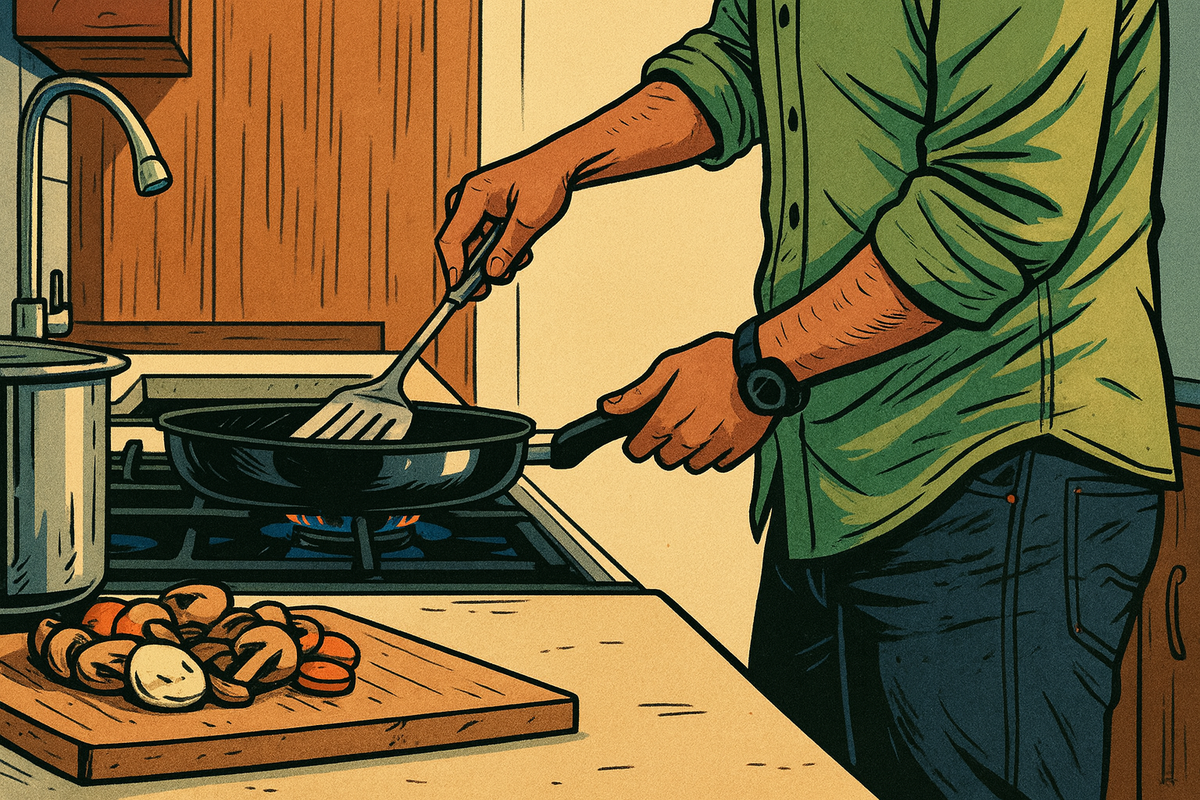
This post is part of a short series about food waste when you live alone.
- Post 1: “This is where it started”
- Post 2: “This is what I tried”
- Post 3: “This is where I landed”
When I first started trying to reduce my food waste, I assumed it would be fairly straightforward.
I’d cook more thoughtfully. I’d plan meals better. I’d stop throwing things away “by accident”. It all sounded quite reasonable on paper.
What I didn’t fully appreciate at the time was how much harder food waste can be to manage when you live alone.
Not because you don’t care. Not because you’re disorganised. But because most of the food system isn’t really designed for single people — especially when it comes to portion sizes, packaging, and how food is sold.
This is something I’ve had to learn the slow way.
Cooking for One Sounds Simple (But Often Isn’t)
Cooking for one sounds like it should create less waste.
Fewer mouths. Less food. Smaller portions.
In reality, I found the opposite happening.
Most recipes are written for two, four, or more people. Ingredients are sold in family-sized packs. Fresh food often goes off before I can get through it all. Even when I cook carefully, leftovers don’t always get eaten in time.
I’d start the week with good intentions and still end up throwing things away — half-used vegetables, sauces I opened once, meals I froze and then forgot about.
At some point, I had to admit that this wasn’t just about effort or planning. It was about how food is sold and structured.
Supermarket Portions Don’t Really Work for Solo Living
One of the biggest sources of food waste for me has been portion sizes.
Even when supermarkets offer “single” portions, they’re often:
- still larger than one meal
- part of a multi-pack
- designed with families in mind
Fresh produce is a particular issue. Buying a whole bag of something when you only need a small amount feels wasteful before you even get home — but loose options aren’t always available, or they cost more.
This puts you in a strange position:
- buy more than you need and risk waste
- or buy packaged convenience food and feel guilty about the packaging
Neither option feels great.
Meal Planning Helped… But Only Up to a Point
I tried meal planning. Properly.
Sometimes it helped. Other times, it just added pressure.
Planning meals for a whole week assumes:
- you’ll feel like eating the same things you planned
- nothing unexpected will happen
- you won’t get tired, bored, or busy
When plans changed — which they often did — food got left behind. Leftovers piled up. The fridge became a collection of good intentions rather than actual meals.
Meal planning wasn’t useless, but it wasn’t the magic fix I hoped it would be either.
Freezing Food Isn’t a Perfect Solution (For Me)
Freezing is often suggested as the answer to food waste, especially for people living alone.
And it can help — to a point.
But I’ve learned that:
- not everything freezes well
- frozen food is easy to forget about
- having lots of frozen “future meals” doesn’t always match how I actually eat
I’ve definitely frozen things with the best intentions and then rediscovered them months later, well past the point of excitement.
Again, this wasn’t about laziness. It was about being realistic about my habits.
The Emotional Side of Food Waste When You Live Alone
One thing I didn’t expect was how personal food waste started to feel.
Throwing away food felt like:
- wasting money
- wasting effort
- failing at something I was trying to do “right”
When you live alone, there’s no one else to share leftovers with or finish something you’re bored of. All the responsibility — and all the guilt — stays with you.
That guilt didn’t help me waste less. It just made food feel stressful.
At some point, I realised I needed to stop trying to force myself into systems that didn’t fit my life.
Accepting That “Perfect” Isn’t the Goal
This was a turning point for me.
Instead of asking:
“How do I eliminate food waste completely?”
I started asking:
“How do I waste less food in a way I can actually stick to?”
That shift opened up different options — including ones I’d previously dismissed because they didn’t look “zero waste enough”.
Why I Started Using Simmer Eats
This is where meal prep came into the picture for me.
I started using Simmer Eats, not because it’s a perfect solution, but because it solved a very specific problem in my life: portion control for one person.
Each meal is:
- portioned for one
- cooked and ready to eat
- packaged consistently
That consistency turned out to be really important for me.
Instead of buying ingredients for multiple meals and hoping I’d use them all, I knew exactly what I had and when I’d eat it.
The Trade-Off: Packaging vs Food Waste
I’m very aware that meal prep involves packaging.
In my case, each Simmer Eats meal comes with:
- one cardboard container
- which goes into my cardboard recycling
This is where I had to be honest with myself.
Before, my food waste included:
- spoiled fresh ingredients
- half-eaten meals
- food that never got cooked at all
That waste often went to food waste or general waste, and it added up quickly.
Now, my food waste from meals is close to zero — and the packaging is predictable, recyclable, and limited.
Is this zero waste? No.
Is it lower waste for me? Yes.
Why This Works Better Than “Trying Harder”
What Simmer Eats gave me wasn’t just convenience — it was structure.
- No guessing portion sizes
- No overbuying ingredients
- No pressure to cook when I’m tired
- No forgotten leftovers
That structure reduced waste far more effectively than trying to be more disciplined ever did.
It also removed a lot of decision-making, which made eating feel simpler rather than stressful.
This Isn’t a Recommendation for Everyone
I want to be really clear about this.
Meal prep won’t be the right choice for everyone. It may not fit your budget, your preferences, or your values. Some people enjoy cooking daily. Some people live with others. Some people already have food waste under control.
This is just what works for me right now, in this stage of life, living alone.
Zero waste isn’t about finding the solution. It’s about finding your solution.
What Living Alone Has Taught Me About Waste
Living alone has forced me to confront something important:
Waste isn’t just about carelessness.
It’s about systems that don’t fit individual lives very well.
Not to zero. But enough to feel like progress.
What I’d Say to Someone Living Alone and Struggling With Food Waste
If this sounds familiar, here’s what I’d gently suggest:
- Don’t assume you’re doing something wrong
- Be honest about how you actually eat
- Question whether “ideal” solutions fit your life
- Accept trade-offs where they genuinely reduce waste overall
For some people, that might be meal prep.
For others, it might be frozen food, simpler meals, or buying less variety.
There’s no single right answer.
A Final Thought
Food waste was harder to fix than I expected — not because I didn’t care, but because I live alone in a system built for families.
Once I stopped chasing perfect solutions and started choosing practical ones, things improved.
I still create waste.
I still make compromises.
But I waste less food than I used to — and that’s a win.
If you live alone and food waste feels frustrating or unavoidable, you’re not failing. You’re just navigating a system that wasn’t designed with you in mind.
And figuring out what works for you is part of the process.