What Is Zero Waste? (What It Means To Me, Anyway)
Zero waste isn’t a trend or a strict set of rules. It’s a way of thinking about what we buy, what we use, and what we throw away. At its heart, zero waste is about noticing how much rubbish we create — and finding simple ways to create less of it.
When I first heard the term zero waste, I assumed it wasn’t really for people like me.
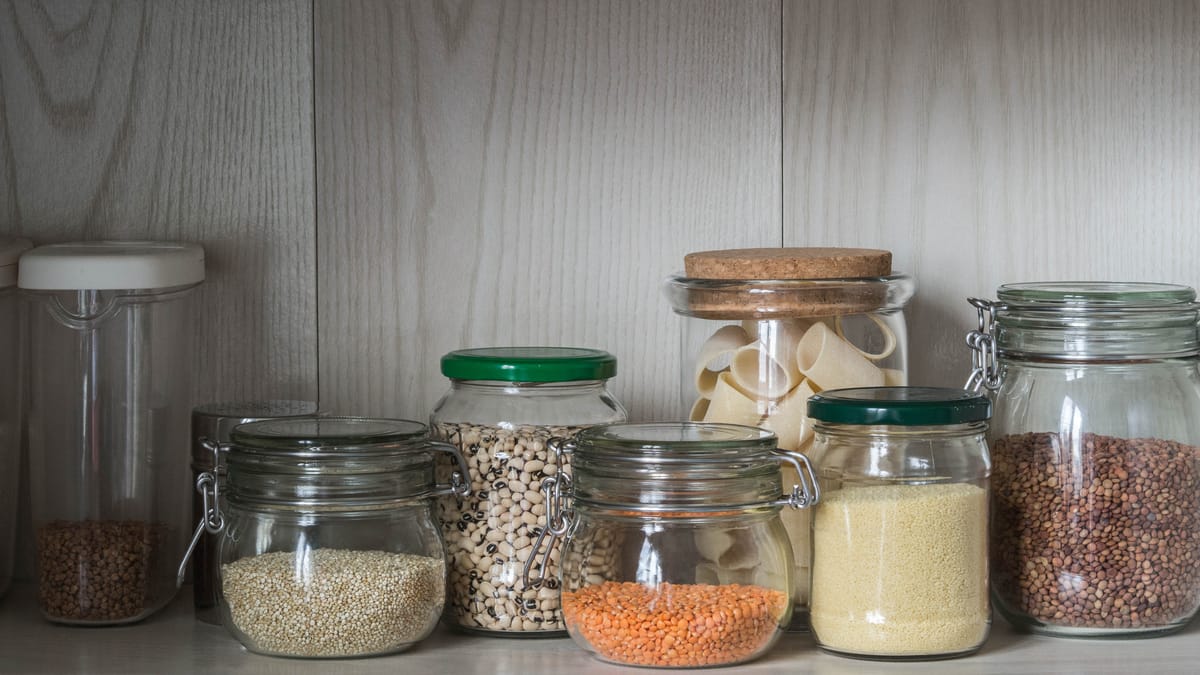
I pictured spotless kitchens, perfectly labelled jars, and people who never forgot their reusable bags. It sounded impressive — and also completely unrealistic. I already recycled. I already tried not to be wasteful, finished everything on my plate. Surely that was enough?
It turns out I had the wrong idea.
Zero waste isn’t a title you earn or a lifestyle you suddenly adopt. It’s just a way for me to start thinking differently about the stuff I use, buy, and throw away. And for me, it didn’t start with doing things perfectly — it started with noticing how much rubbish I was producing without really meaning to.
I’m still figuring this out. This post isn’t a definition from an expert. It’s what zero waste has come to mean for me so far, and why it’s felt worth sticking with.
What Zero Waste Actually Means (In Real Life)
Despite the name, zero waste doesn’t mean producing no waste at all.
I don’t produce zero waste. I don’t know anyone who genuinely does. And aiming for that would probably have made me give up before I started.
What zero waste really means — at least in practice — is trying to reduce waste as much as reasonably possible, especially the waste that’s created without much thought.
It’s about asking small questions more often:
- Do I need this?
- Is there a version that creates less waste?
- Can I use what I already have?
- What happens to this after I throw it away?
If your bin gets a little less full over time, that’s zero waste working.
Why I Started Thinking About Waste at All
I didn’t come to zero waste through activism or a big moment of realisation.
It was much more mundane than that.
I noticed how quickly my bin filled up. I noticed how much packaging I was throwing away. I noticed that a lot of what I bought didn’t actually improve my life very much — it just created more stuff to deal with later. I really love the minimalist life.
Once I noticed that, it was hard to unsee.
Zero waste gave me a framework for questioning those patterns, without needing to change everything at once.
Where All That Waste Goes (Spoiler: It Doesn’t Disappear)
One of the things that made zero waste click for me was learning what actually happens to rubbish.
Most waste doesn’t disappear when we throw it away. It gets:
- buried in landfill
- burned
- or shipped somewhere else
Even recycling — which I used to see as the solution — has limits. Not everything is recyclable, and not everything that can be recycled actually is.
Realising that made me think differently about prevention. Once waste exists, the options are limited. Avoiding it in the first place suddenly felt much more important.
The Ideas Behind Zero Waste (Without the Pressure)
Zero waste is often explained using the “5 R’s”: refuse, reduce, reuse, recycle, rot.
I didn’t memorise these at first. I just gradually absorbed the logic.
The most important one for me turned out to be refuse — saying no to things I didn’t really want or need. Freebies. Extra packaging. Things that would only become rubbish later.
Then came reduce — buying less overall, rather than just buying “better” things.
Reuse was next: using what I already had, fixing things, keeping containers instead of replacing them.
Only after all that does recycling come into play. And finally, composting where possible (that's the rot part).
Seeing it as a priority order helped me stop relying on recycling as a catch-all solution.
Zero Waste Isn’t About Buying Better Stuff
This is something I misunderstood early on.
I thought zero waste meant swapping everything for eco-friendly alternatives. Bamboo this. Reusable that. New versions of everything I already owned.
What I learned instead is that buying less is usually more effective than buying better.
Using what I already had reduced waste immediately. Replacing things only when they wore out made changes feel manageable instead of overwhelming.
Zero waste isn’t about perfect shopping habits. It’s about questioning whether something needs to be bought at all.
What Zero Waste Is Not
I think it’s just as important to say what zero waste isn’t.
It isn’t:
- perfection
- minimalism
- expensive
- all or nothing
- about judging other people
It’s also not about guilt. Feeling bad about waste doesn’t reduce it. Changing habits slowly does.
The most helpful thing zero waste gave me wasn’t rules — it was permission to do things imperfectly and keep going anyway.
What Zero Waste Looks Like Day to Day (For Me)
In practice, zero waste shows up in small, unglamorous ways.
It’s:
- bringing a reusable bag most of the time
- forgetting sometimes and not beating myself up about it
- using leftovers more often
- questioning impulse purchases
- noticing packaging more than I used to
Some days I’m good at it. Some days I’m not. Over time, the overall direction matters more than any single decision.
Why Zero Waste Felt More Achievable Than I Expected
What surprised me most about zero waste is that it didn’t make life harder.
In some ways, it simplified things.
I buy less. I waste less food. I think a bit more before bringing things into my home. That’s reduced clutter and decision-making more than I expected.
It also saved money in ways I didn’t plan for — fewer impulse buys, fewer replacements, fewer things thrown away unused.
Zero Waste Looks Different for Everyone
One thing I’ve learned quickly is that zero waste isn’t a single path.
Where you live, how you shop, your time, your budget, your energy — all of that shapes what’s realistic.
Someone else’s zero waste routine might look completely different to mine. That doesn’t make either of us wrong.
Comparing yourself to people online is an easy way to feel like you’re failing. Zero waste works best when it’s adapted to real life, not copied.
Why I Still Think Zero Waste Is Worth Trying
I don’t think zero waste will solve every environmental problem.
But I do think it helps people:
- feel more aware of their impact
- take responsibility without being overwhelmed
- push back gently against throwaway culture
For me, it’s been less about saving the planet and more about living with intention.
Once you start asking where things come from and where they go, it’s hard not to care a little more about the answers.
If You’re Just Starting Out
If you’re new to zero waste, this is what I’d honestly suggest:
- don’t aim for zero
- don’t buy anything yet
- notice your habits first
- pick one small change
- expect to mess up
You don’t need to call yourself “zero waste” to benefit from thinking this way.
You just need to start paying attention.
A Final Thought
Zero waste isn’t a destination I’ve reached. It’s a direction I’m moving in.
I still create waste. I still forget things. I still make choices that aren’t ideal.
But I waste less than I used to — and I think about waste differently now. That shift alone has been worth it.
If this way of thinking helps you make even a few small changes, that’s enough.
You don’t have to get it right. You just have to keep going.