How to Start a Zero Waste Lifestyle (Without Feeling Overwhelmed)
Zero waste isn’t a test you have to pass. It’s a gentle way of changing the things you do day-to-day so you make a little less waste over time. You don’t have to be perfect — you just need to start, and you can do it without feeling overwhelmed.
When I first started thinking about zero waste, I didn’t feel inspired — I felt overwhelmed.
There was so much information, so many rules, and so many people online who seemed to be doing everything perfectly. I remember thinking that if this was what zero waste looked like, I probably wasn’t cut out for it.
What I’ve learned since is that zero waste doesn’t start with jars, swaps, or lifestyle overhauls. It starts much more quietly — with noticing, trying things out, and accepting that you won’t get it all right straight away.
I’m still very much figuring this out myself. This isn’t a guide from an expert. It’s what helped me get started without burning out, giving up, or feeling like I was constantly failing.
Why Zero Waste Feels So Overwhelming at First
I think zero waste feels overwhelming because it often gets presented as a complete lifestyle rather than a gradual shift.
You’re suddenly told to:
- change how you shop
- change how you cook
- change what you buy
- change how you dispose of things
That’s a lot to take on at once.
What helped me was realising that I didn’t need to be zero waste. I just needed to waste a bit less than I did before. That reframing took a lot of pressure off.
I Didn’t Start by Changing Anything
This might sound counter-intuitive, but I didn’t start zero waste by making swaps.
I started by paying attention.
For a week or two, I noticed:
- what filled my bin the fastest
- what I threw away without thinking
- what I bought regularly
I didn’t judge myself or try to fix anything. I just noticed patterns.
This helped me understand where my effort would actually matter — and stopped me trying to change things that weren’t really a problem in my life.
I Learned That Small Changes Stick Better Than Big Plans
At first, I wanted a plan. A checklist. A clear path from “not zero waste” to “doing it properly”.
What I learned instead is that small, boring changes stick far better than big ambitious ones.
Trying to change everything at once made me tired and resentful. Changing one thing at a time made zero waste feel manageable.
For example:
- carrying a reusable bag
- using up what I already owned
- refusing things I didn’t want
None of these felt dramatic. But they added up.
I Stopped Buying “Zero Waste” Stuff Straight Away
One of the best decisions I made early on was not buying lots of new things.
It’s very easy to fall into the trap of thinking you need:
- special containers
- new cleaning products
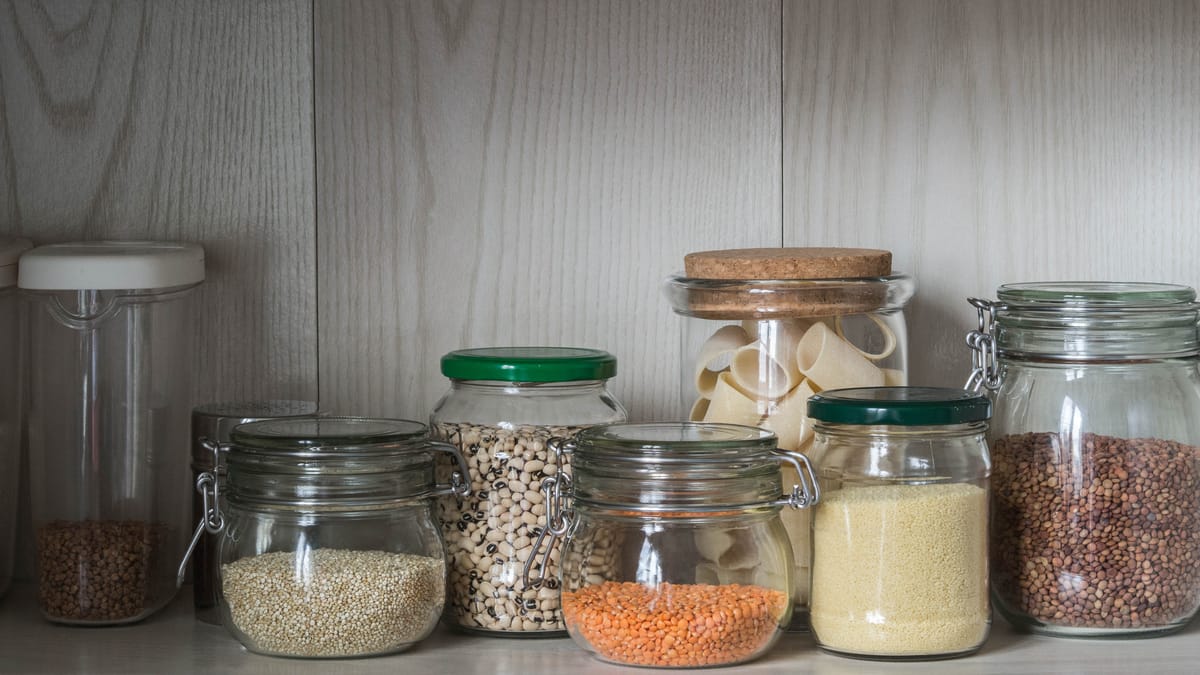
- matching jars
- reusable versions of everything
I didn’t need any of that to get started.
Using what I already had reduced waste immediately, without spending money or creating demand for new products. Over time, when things wore out, I replaced them more thoughtfully.
If you’re starting out, I’d honestly recommend not buying anything yet.
I Focused on One Area Instead of My Whole Life
Zero waste touches every part of daily life, which is why it can feel like too much.
What helped me was focusing on one area at a time — usually the one creating the most waste.
For me, that was the kitchen.
For you, it might be:
- food shopping
- takeaway packaging
- bathroom products
- on-the-go waste
Choosing one area meant I could see progress quickly, which made the whole idea feel less abstract and more rewarding.
I Learned That Forgetting Is Part of the Process
I forget things. A lot.
I forget my reusable bag.
I forget my water bottle.
I forget to compost sometimes.
At first, I treated this as failure. Now, I see it as normal.
Habits don’t form instantly. Expecting yourself to remember everything straight away is a fast way to feel discouraged.
What helped was:
- making things easier (keeping bags where I’d actually use them)
- forgiving myself when I forgot
- focusing on consistency, not perfection
Zero waste started to feel lighter once I stopped keeping score.
I Started Saying No More Often (Even When It Felt Awkward)
One of the simplest zero waste habits I picked up was refusing things I didn’t need.
This included:
- plastic cutlery with takeaway
- extra napkins
- freebies I knew I wouldn’t use
At first, it felt awkward. Now it feels normal.
Refusing waste before it enters your life is surprisingly powerful — and it doesn’t require buying or changing anything else.
I still forget sometimes. But even doing this occasionally makes a difference.
I Realised Recycling Wasn’t the Goal
Before zero waste, I thought recycling was the main thing.
I recycled everything I could and assumed that was enough.
Learning more about how recycling works — and its limits — helped me understand why zero waste focuses on reducing and reusing first.
Recycling is important, but it’s the last step, not the first. That shift in thinking helped me focus on buying less and choosing better options when I could.
I Accepted That Some Things Are Harder Than Others
There are parts of zero waste I find easy.
There are parts I still find difficult.
Food waste? Much better than I used to be.
Plastic packaging? Still a challenge.
Convenience food? I haven’t given it up.
Accepting this made zero waste feel sustainable rather than exhausting.
You don’t need to be good at everything. You just need to be honest about what’s realistic for you.
What I’d Suggest If You’re Starting Now
If I were starting again, this is what I’d tell myself:
- don’t change everything at once
- don’t buy things yet
- notice your habits first
- pick one small change
- expect to mess up
Zero waste isn’t a lifestyle you adopt overnight. It’s something that slowly weaves into your life as habits change.
Zero Waste Looks Different for Everyone
One of the most helpful things I’ve learned is that zero waste isn’t a single path.
Your version will depend on:
- where you live
- how you shop
- your time and energy
- what matters most to you
Comparing yourself to other people — especially online — is a quick way to feel like you’re doing it wrong.
You’re not.
A Final Thought
Starting a zero waste lifestyle doesn’t require motivation, confidence, or perfect habits.
It requires curiosity and patience.
I’m still learning. I still forget things. I still create waste.
But I waste less than I used to — and that’s enough.
If you take one small step and keep going, you’re already doing it.