How Recycling Works in Wales (What I’ve Noticed Since Moving Here)
Very quickly, I noticed that recycling in Wales is taken more seriously — and that I was expected to do a bit more than just throw everything into one box and hope for the best.
When I moved to Wales, I assumed recycling would work more or less the same way it did everywhere else in the UK.
Same bins. Same rules. Same level of confusion.
I was wrong.
Very quickly, I noticed that recycling here is taken more seriously — and that I was expected to do a bit more than just throw everything into one box and hope for the best. At first, I found it slightly annoying. Then I found it interesting. Now, I mostly find it impressive — even though I still don’t get everything right.
I’m not an expert on Welsh recycling. I’ve just moved here, learned some new habits, made a few mistakes, and spent time understanding why things are done the way they are.
This is what I’ve learned so far.
The First Big Difference I Noticed: Separation Matters
The most obvious change for me was how separated recycling is in Wales.
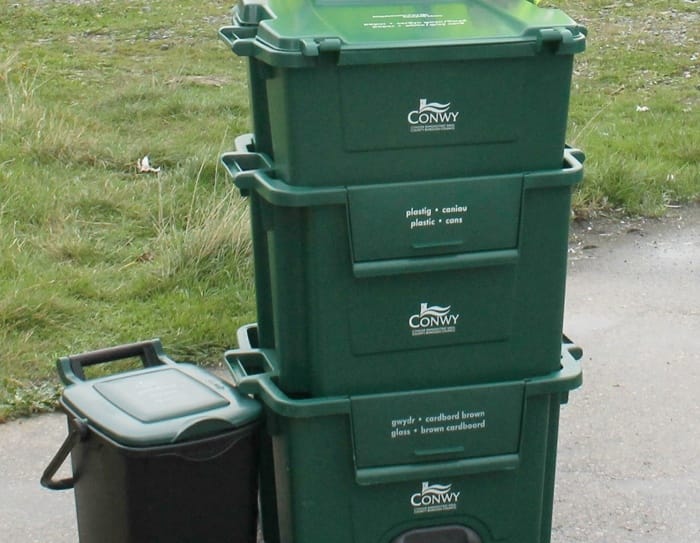
Instead of one mixed recycling bin, I suddenly had:
- separate containers for different materials
- clear instructions about what goes where
- and less room for “I’ll just stick it in recycling and see what happens”
At first, this felt like extra effort. But it quickly became clear why it exists.
When materials are separated at home, they’re cleaner and easier to recycle. Less sorting is needed later, and there’s less contamination overall.
Once I got used to it, it actually felt… simpler. Just different.
Why Wales Does Recycling Differently
Wales has taken a more hands-on approach to recycling than many other places in the UK.
Rather than relying heavily on sorting everything at large facilities, the system is designed so that households do more of the sorting upfront. That improves the quality of recycling and reduces how much gets rejected later.
It also means residents are more aware of what they’re throwing away — which I didn’t expect, but have definitely noticed in myself.
You can’t really “wishfully recycle” as easily when everything has its own place.
Wales Is Genuinely One of the Best in the World at Recycling
This surprised me.
Wales regularly ranks among the top recycling nations globally, often competing with or outperforming much larger countries. Its recycling rate is consistently high by international standards, and it’s often held up as an example of how national policy and local action can work together.
What’s interesting is that this hasn’t happened by accident.
Wales has:
- long-term recycling targets
- consistent messaging
- strong local authority systems
- and a clear focus on waste reduction, not just recycling
As someone new to the system, you really feel that consistency. It’s not perfect, but it’s intentional.
What Can Be Recycled in Wales (And How That Feels in Practice)
While details vary slightly by council, most households in Wales are asked to separate materials like:
- paper and cardboard
- glass
- metal cans
- plastics
- food waste
The big difference for me was food waste.
Food waste recycling feels much more normalised here. Small kitchen caddies are common, collections are frequent, and it’s clearly treated as a standard part of household waste rather than an optional extra.
I’ll admit: I didn’t compost food waste as consistently before moving. Now, it feels odd not to.
Food Waste: The Habit That Took Time to Stick
I didn’t love food waste separation at first.
Remembering to use the caddy, keeping it clean, dealing with liners — it took a bit of adjustment. I forgot more than once. Sometimes I still do.
But I also noticed something unexpected:
my general bin stopped filling up nearly as fast.
Food waste is heavy. Once it’s separated out, everything else feels more manageable. That alone helped me understand why Wales puts so much emphasis on it.
I’m still not perfect at this, but I’m much better than I was.
Less Reliance on “Fingers Crossed” Recycling
Before moving, I was definitely guilty of recycling things just in case.
Plastic packaging I wasn’t sure about. Items that looked recyclable. Things I hoped would be sorted out later.
The Welsh system makes that harder — in a good way.
When materials are clearly separated, it’s more obvious when something doesn’t belong anywhere. That forces a decision: check the rules, reuse it, or accept that it’s general waste.
It’s less comfortable, but it’s also more honest.
What Happens to Recycling in Wales After Collection
Like the rest of the UK, recycling collected in Wales doesn’t all go to one place.
However, because materials are already separated, they’re generally:
- cleaner
- easier to process
- less likely to be rejected
This improves recycling outcomes and reduces the amount sent for incineration or landfill.
Wales has also made a conscious effort to build more domestic recycling capacity, rather than relying heavily on exporting waste elsewhere. That doesn’t mean everything stays local — but the intention to close the loop is clearer.
Incineration Still Exists — But It’s Not the Goal
Wales does use Energy from Waste facilities, like the rest of the UK.
What feels different is the framing.
Incineration isn’t presented as the solution. It’s treated as something to reduce over time, not rely on. Policy and messaging consistently emphasise:
- waste prevention
- reuse
- high-quality recycling
As a resident, that messaging matters. It makes reducing waste feel like the main aim, not just managing it better at the end.
Recycling Feels More Like a Shared Effort
One thing I didn’t expect to notice was a cultural difference.
Recycling in Wales feels more… normal. More expected. More built into everyday life.
That doesn’t mean everyone does it perfectly. But the systems are clearer, the habits are more established, and the responsibility doesn’t feel as vague.
It feels less like:
“Do your best, we’ll see what happens”
And more like:
“This is how we do things here”
That clarity actually makes it easier.
I’ve Still Made Mistakes (Plenty of Them)
I’ve put things in the wrong container.
I’ve forgotten food waste.
I’ve had to double-check rules more times than I can count.
Moving to a new system always comes with a learning curve.
What’s helped is accepting that mistakes are part of adjusting — not a sign you’re doing it wrong. The system is forgiving enough to allow learning, which is probably part of why it works so well overall.
How Recycling in Wales Changed How I Think About Waste
Living with a more structured recycling system has shifted my mindset.
I think less about:
- “Can this be recycled?”
And more about:
- “Do I need this at all?”
- “Is there a version with less waste?”
- “Can I reuse something I already have?”
That shift didn’t come from being told what to do. It came from living inside a system that makes waste more visible.
Recycling in Wales Isn’t Perfect — But It’s Thoughtful
There are still problems:
- confusing packaging
- plastics that don’t fit neatly anywhere
- systems that vary slightly by council
But overall, recycling in Wales feels intentional.
It’s designed to work well, not just look good on paper. And it treats households as part of the solution, not the whole solution.
That balance matters.
A Final Thought
Since moving to Wales, I’ve learned that recycling works best when:
- systems are clear
- expectations are consistent
- and waste reduction is treated as the goal, not an afterthought
Wales isn’t perfect at recycling — but it’s genuinely one of the best examples in the world of how it can work when it’s taken seriously.
I’m still figuring it out. Still making mistakes. Still learning the habits.
But I can see why the system works — and why it’s something to be quietly proud of. I found it interesting. Now, I mostly find it impressive — even though I still don’t get everything right.
I’m not an expert on Welsh recycling. I’ve just moved back here, learned some new habits, made a few mistakes, and spent time understanding why things are done the way they are.
This is what I’ve learned so far.
The First Big Difference I Noticed: Separation Matters
The most obvious change for me was how separated recycling is in Wales.
Instead of one mixed recycling bin, I suddenly had:
- separate containers for different materials
- clear instructions about what goes where
- and less room for “I’ll just stick it in recycling and see what happens”
At first, this felt like extra effort. But it quickly became clear why it exists.
When materials are separated at home, they’re cleaner and easier to recycle. Less sorting is needed later, and there’s less contamination overall.
Once I got used to it, it actually felt… simpler. Just different.
Why Wales Does Recycling Differently
Wales has taken a more hands-on approach to recycling than many other places in the UK.
Rather than relying heavily on sorting everything at large facilities, the system is designed so that households do more of the sorting upfront. That improves the quality of recycling and reduces how much gets rejected later.
It also means residents are more aware of what they’re throwing away — which I didn’t expect, but have definitely noticed in myself.
You can’t really “wishfully recycle” as easily when everything has its own place.
Wales Is Genuinely One of the Best in the World at Recycling
This surprised me.
Wales regularly ranks among the top recycling nations globally, often competing with or outperforming much larger countries. Its recycling rate is consistently high by international standards, and it’s often held up as an example of how national policy and local action can work together.
What’s interesting is that this hasn’t happened by accident.
Wales has:
- long-term recycling targets
- consistent messaging
- strong local authority systems
- and a clear focus on waste reduction, not just recycling
As someone new to the system, you really feel that consistency. It’s not perfect, but it’s intentional.
What Can Be Recycled in Wales (And How That Feels in Practice)
While details vary slightly by council, most households in Wales are asked to separate materials like:
- paper and cardboard
- glass
- metal cans
- plastics
- food waste
The big difference for me was food waste.
Food waste recycling feels much more normalised here. Small kitchen caddies are common, collections are frequent, and it’s clearly treated as a standard part of household waste rather than an optional extra.
I’ll admit: I didn’t compost food waste as consistently before moving. Now, it feels odd not to.
Food Waste: The Habit That Took Time to Stick
I didn’t love food waste separation at first.
Remembering to use the caddy, keeping it clean, dealing with liners — it took a bit of adjustment. I forgot more than once. Sometimes I still do.
But I also noticed something unexpected:
my general bin stopped filling up nearly as fast. And also, at least where I live, they don't even have a general waste bin, they just want you to bag it up and you are limited to two bags every two weeks.
Food waste is heavy. Once it’s separated out, everything else feels more manageable. That alone helped me understand why Wales puts so much emphasis on it.
I’m still not perfect at this, but I’m much better than I was.
Less Reliance on “Fingers Crossed” Recycling
Before moving, I was definitely guilty of recycling things just in case.
Plastic packaging I wasn’t sure about. Items that looked recyclable. Things I hoped would be sorted out later.
The Welsh system makes that harder — in a good way.
When materials are clearly separated, it’s more obvious when something doesn’t belong anywhere. That forces a decision: check the rules, reuse it, or accept that it’s general waste.
It’s less comfortable, but it’s also more honest.
What Happens to Recycling in Wales After Collection
Like the rest of the UK, recycling collected in Wales doesn’t all go to one place.
However, because materials are already separated, they’re generally:
- cleaner
- easier to process
- less likely to be rejected
This improves recycling outcomes and reduces the amount sent for incineration or landfill.
Wales has also made a conscious effort to build more domestic recycling capacity, rather than relying heavily on exporting waste elsewhere. That doesn’t mean everything stays local — but the intention to close the loop is clearer.
Incineration Still Exists — But It’s Not the Goal
Wales does use Energy from Waste facilities, like the rest of the UK.
What feels different is the framing.
Incineration isn’t presented as the solution. It’s treated as something to reduce over time, not rely on. Policy and messaging consistently emphasise:
- waste prevention
- reuse
- high-quality recycling
As a resident, that messaging matters. It makes reducing waste feel like the main aim, not just managing it better at the end.
Recycling Feels More Like a Shared Effort
One thing I didn’t expect to notice was a cultural difference.
Recycling in Wales feels more… normal. More expected. More built into everyday life.
That doesn’t mean everyone does it perfectly. But the systems are clearer, the habits are more established, and the responsibility doesn’t feel as vague.
It feels less like:
“Do your best, we’ll see what happens”
And more like:
“This is how we do things here”
That clarity actually makes it easier.
I’ve Still Made Mistakes (Plenty of Them)
I’ve put things in the wrong container.
I’ve forgotten food waste.
I’ve had to double-check rules more times than I can count.
Moving to a new system always comes with a learning curve.
What’s helped is accepting that mistakes are part of adjusting — not a sign you’re doing it wrong. The system is forgiving enough to allow learning, which is probably part of why it works so well overall.
How Recycling in Wales Changed How I Think About Waste
Living with a more structured recycling system has shifted my mindset.
I think less about:
- “Can this be recycled?”
And more about:
- “Do I need this at all?”
- “Is there a version with less waste?”
- “Can I reuse something I already have?”
That shift didn’t come from being told what to do. It came from living inside a system that makes waste more visible.
Recycling in Wales Isn’t Perfect — But It’s Thoughtful
There are still problems:
- confusing packaging
- plastics that don’t fit neatly anywhere
- systems that vary slightly by council
But overall, recycling in Wales feels intentional.
It’s designed to work well, not just look good on paper. And it treats households as part of the solution, not the whole solution.
That balance matters.
A Final Thought
Since moving back to Wales, I’ve learned that recycling works best when:
- systems are clear
- expectations are consistent
- and waste reduction is treated as the goal, not an afterthought
Wales isn’t perfect at recycling — but it’s genuinely one of the best examples in the world of how it can work when it’s taken seriously.
I’m still figuring it out. Still making mistakes. Still learning the habits.
But I can see why the system works — and why it’s something to be quietly proud of.