How Recycling Really Works in the UK (What I’ve Learned So Far)
Recycling in the UK is often more complicated than it looks. Different councils have different rules, some materials are harder to recycle than others, and not everything we put in the recycling bin actually gets recycled.
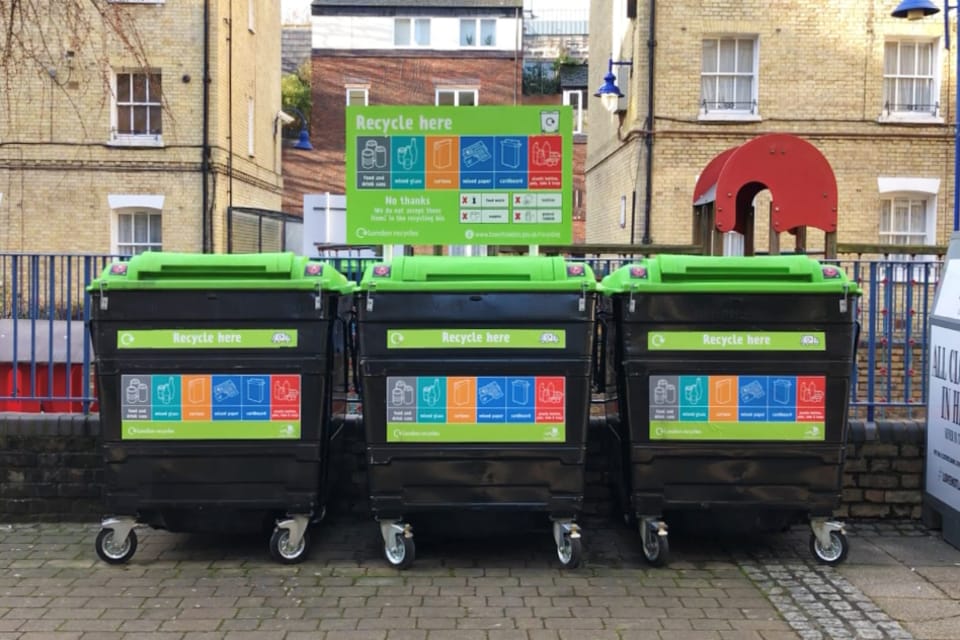
Recycling was one of the first things I thought I was “doing right”.
I rinsed my containers, put them in the recycling bin, and assumed that was the end of it. Job done. It wasn’t until I started paying a bit more attention that I realised how confusing recycling in the UK actually is — and how easy it is to get wrong without meaning to.
I’m not an expert in recycling systems. I’ve just spent time reading, asking questions, checking council rules, and noticing my own habits. This post is a summary of what I’ve learned so far, the mistakes I’ve made, and the things that surprised me most.
If recycling has ever left you feeling confused or slightly sceptical, you’re not alone.
What I Used to Think Happened to Recycling
I used to imagine recycling as a fairly simple process.
You put something in the recycling bin.
A lorry picks it up.
It gets turned into something new.
In reality, there are a lot more steps in between — and plenty of opportunities for things to go wrong.
Understanding those steps helped me realise why recycling rules exist, and why my “close enough” attitude to recycling sometimes causes more problems than it solves.
What Actually Happens After Collection
Once recycling is collected from your home, it doesn’t all go to the same place.
In most parts of the UK, it’s taken to something called a Materials Recovery Facility (often shortened to MRF - fancy acronym). This is where mixed recycling is sorted into different materials like paper, cardboard, metal, plastic, and glass.
Some of this sorting is done by machines, and some by people. The materials are then grouped together, compressed into bales, and sold to companies that process them into raw materials. I know right? They sell it!
Here’s the part that surprised me:
if materials are too contaminated or mixed incorrectly, they can be rejected entirely.
That means things we put in the recycling bin with good intentions can still end up being incinerated or sent to landfill.
Why Recycling Rules Are Different Everywhere
One of the most frustrating things about recycling in the UK is that the rules aren’t the same everywhere.
I moved to South Wales this year from East Midlands and had to relearn what could and couldn’t go in the recycling bin. Things I recycled in one area weren’t accepted in another, even though they looked identical.
This was because:
- councils use different recycling facilities
- facilities can handle different materials
- contracts and equipment vary
It’s annoying, but it also explains why generic advice online doesn’t always help.
What I’ve learned is that your local council’s website is the only source that really matters. Packaging labels can be misleading, and national advice doesn’t always apply locally.
Things That Are Usually Recyclable (But Still Not Guaranteed)
In most UK councils, these items are commonly accepted:
- cardboard and paper
- food tins and drink cans
- glass bottles and jars
- plastic bottles
Even here, there are caveats.
For example, I didn’t realise for a long time that:
- lids sometimes need to be removed
- food residue can cause problems
- broken glass is treated differently to bottles - like c'mon!
It’s not about being perfect — but small details can affect whether recycling actually gets recycled.
The Biggest Recycling Mistakes I’ve Made
I’ve definitely been guilty of what’s often called wishful recycling.
That’s when you put something in the recycling bin because you hope it’s recyclable — not because you know it is.
Some examples I’ve personally messed up:
- greasy pizza boxes
- plastic film and wrappers
- items that looked recyclable but weren’t accepted locally
At the time, it felt better to recycle than to throw something away. But I’ve since learned that wishful recycling can contaminate entire loads, making things worse overall.
Now, if I’m not sure, I check. And if I can’t find an answer, I dispose of it properly instead of guessing.
Plastic Recycling: Where Things Get Complicated
Plastic is easily the most confusing part of recycling.
I used to assume that if something was plastic, it could be recycled. That’s not how it works.
In the UK:
- plastic bottles are widely recycled
- many other plastics are not accepted in household recycling
- soft plastics (like crisp packets and bread bags) are usually excluded
Some of these materials are recyclable in theory, but not through normal kerbside collections. Putting them in the recycling bin doesn’t help.
I’ve had to accept that recycling plastic has limits — and that reducing plastic use matters more than recycling it perfectly.
What Happens to UK Recycling After Sorting?
Another thing I didn’t realise at first is that not all UK recycling stays in the UK.
Some materials are:
- processed domestically
- turned into new packaging or products
Others are:
- exported to other countries for processing
Exporting recycling isn’t automatically bad, but it does raise questions about transparency and responsibility. It also highlights that recycling is part of a global system — not a simple local loop.
This was one of the moments where recycling started to feel less like a solution on its own, and more like a backup option.
Is Recycling Enough on Its Own?
Short answer: no.
Recycling is important, but it:
- still uses energy
- still involves transport
- doesn’t stop waste being created
This is why recycling comes after refusing, reducing, and reusing.
For me, this changed how I thought about my recycling bin. Instead of seeing it as the goal, I started seeing it as the last step — what’s left after I’ve tried to avoid waste earlier on.
Incineration and “Energy From Waste”
In the UK, a lot of non-recyclable waste goes to Energy from Waste facilities, where rubbish is burned to produce electricity or heat.
I used to think this sounded fairly positive — at least it wasn’t landfill.
What I’ve learned is that:
- it’s generally better than landfill
- it’s still not ideal
- it doesn’t encourage less waste
Incineration still produces emissions and ash, and it relies on a constant supply of waste. That’s another reason reducing waste upfront matters.
How I Try to Recycle Better Now
I’m not perfect at recycling, but I do a few things consistently now:
- I check my council’s recycling guide
- I keep items empty and fairly clean
- I avoid guessing
- I don’t try to recycle things “just in case”
These habits don’t take much extra effort, but they make a real difference.
I’ve also stopped feeling guilty when something genuinely isn’t recyclable. That guilt doesn’t help — better choices earlier on do.
Recycling Labels Can Be Misleading
One thing I still find frustrating is packaging labels.
“Widely recycled” doesn’t mean:
- recycled everywhere
- recycled by your council
Those labels are based on averages, not guarantees. I’ve learned to treat them as a starting point, not a promise.
Again, local guidance beats packaging claims every time. Those pesky green washing marketers. (I used to be one of those).
Why Recycling Often Feels Like a Mess
If recycling feels confusing or frustrating, that’s not our fault.
Rules are always changing. Responsibility is often pushed onto us. Packaging keeps increasing. Have you ever ordered something small and it's arrived in a space ship of cardboard? It doesn't make sense.
I’ve found it helpful to remember that recycling works best when:
- I'm a little bit more mindful of what I'm buying
- councils provide clear systems
- companies reduce unnecessary packaging
Households shouldn’t be expected to fix everything on their own.
How Recycling Fits Into a Zero Waste Mindset
For me, zero waste helped put recycling into perspective.
Recycling isn’t the solution — it’s part of the picture.
Now I think in this order:
- can I refuse this?
- can I reduce how much I buy?
- can I reuse something I already have?
- and only then, can I recycle what’s left?
That shift has made recycling feel less stressful and more purposeful.
A Final Thought
Recycling in the UK is wildly complicated, imperfect, and frustrating.
But understanding how it works — even roughly — helps avoid common mistakes and focus on what actually reduces waste.
You don’t need to recycle perfectly. I certainly don’t, I'm terrible.
We just need to recycle thoughtfully, and try to create a little less waste in the first place.